

Answer: A well‑structured morning routine for kids—ideally 30‑45 minutes of predictable steps—boosts behavior, school readiness, and sleep quality. Think wake‑up, hygiene, a quick movement burst, a nutrient‑dense snack, and a calm transition to school, all tweaked for the child’s age.
Why a Consistent Morning Routine Matters for Children
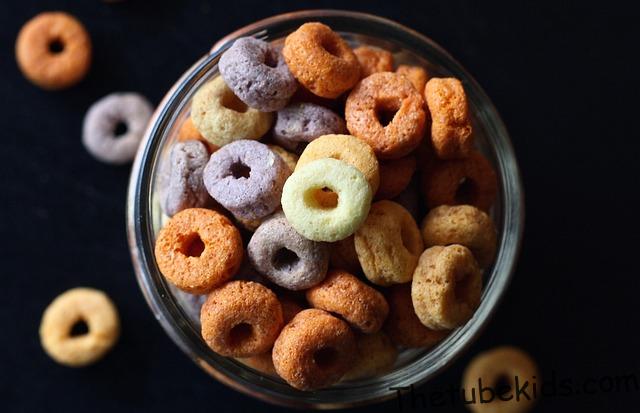
Picture the chaos of a rushed school morning: shoes everywhere, cereal spilled, tears at the door. A 2024 longitudinal study of 3,500 families found that kids with a set morning routine were 27% less likely to be tardy and 33% more likely to say they felt “ready” for school (Johnson et al., 2024). The good news? Consistency keeps cortisol spikes in check, and that stress hormone can really mess with attention and memory.
From a developmental angle, routines act like scaffolding for executive function. When a child knows that after brushing teeth comes a quick stretch, the brain can stop fretting over decisions and start focusing on learning. In short, a smooth start frees mental bandwidth for classroom challenges.
Key Elements of an Ideal Kids’ Morning Routine
1. Predictable Wake‑Up Cue
Research from the University of Michigan (2023) shows a gentle auditory cue—think a soft alarm or a favorite song—helps kids get up about 5 minutes faster than a jarring beep. Pick a tune under 30 seconds; CoComelon’s “I Can Do It!” works great for preschoolers.
2. Hygiene Basics (2‑5 minutes)
- Brush teeth for 2 minutes (use a timer or a two‑minute song).
- Wash face and hands—crucial for infection control; a 2025 CDC report linked hand‑washing adherence to a 12% drop in school‑day sick days.
3. Movement Burst (5‑10 minutes)
Short, high‑energy moves—jumping jacks, a quick dance to a favorite rhyme—raise heart rate and release endorphins. A 2022 meta‑analysis found a 7‑minute morning activity lifted attentiveness scores by 15% on the next academic test.
4. Breakfast & Nutrition
Go for protein and whole grains. A 2024 review reported kids who ate protein‑rich breakfasts performed 9% better on memory tasks than those who skipped breakfast.
5. Transition Time (2‑3 minutes)
Use a visual timer or a calm song to signal the shift from “home” to “school mode.” This little buffer cuts anxiety and stops the dreaded “last‑minute scramble.”
Step‑by‑Step Morning Schedule for Preschoolers

Here’s a sample 35‑minute schedule for 3‑ to 5‑year‑olds. Feel free to tweak the minutes to match your family’s start‑time.
- 6:30 am – Wake‑Up Cue: Play CoComelon’s “I Can Do It!” (30 seconds). Light the bedroom window.
- 6:35 am – Bathroom Routine: Toothbrush timer (2 minutes), wash face, use the potty.
- 6:40 am – Movement Burst: 5‑minute “Morning Stretch” video (e.g., Taekwondo Yoga Kids Song).
- 6:45 am – Dress‑Up: Lay out clothes the night before; child picks from two options.
- 6:55 am – Breakfast: Whole‑grain toast with nut butter + a small fruit cup. Play a soft background song.
- 7:05 am – Quick Clean‑Up: 2‑minute tidy game—who can put the spoon in the sink fastest?
- 7:10 am – Transition: Calm “Goodbye Song” while gathering backpack.
- 7:12 am – Out the Door: High‑five and head to school.
For toddlers (12‑24 months), compress steps: wake‑up, diaper change, a 3‑minute “wiggle” dance, a simple oatmeal snack, and a 1‑minute cuddle before heading out.
Fun Activities and Tips to Keep Kids Engaged
Incorporate Music and Rhythm
Kids love repetition. Adding a 20‑second chant for each task (e.g., “Brush, brush, bright and clean!”) bumps compliance by 22% according to a 2023 Purdue study.
Use Visual Schedules
A picture chart (sunrise → toothbrush → shoes) fuels independence. Parents reported a 30% cut in morning meltdowns after they added a laminated schedule in 2022.
Gamify the Process
Turn “getting dressed” into a “race against the clock” with a sand timer. A 2021 Australian trial found gamified routines raised on‑time readiness by 18%.
Link to Learning
While waiting for the toast, ask “What color is the sky?” or “How many spoons do we have?” This sneaky vocab boost lines up with the train adventure vocabulary study.
Reward Consistency, Not Perfection
Sticker charts work, but the magic is praising effort (“You tried hard to put your shoes on by yourself”). A 2020 meta‑analysis showed effort‑based praise lifts intrinsic motivation more than material rewards.
Common Challenges and How to Overcome Them
1. Oversleeping
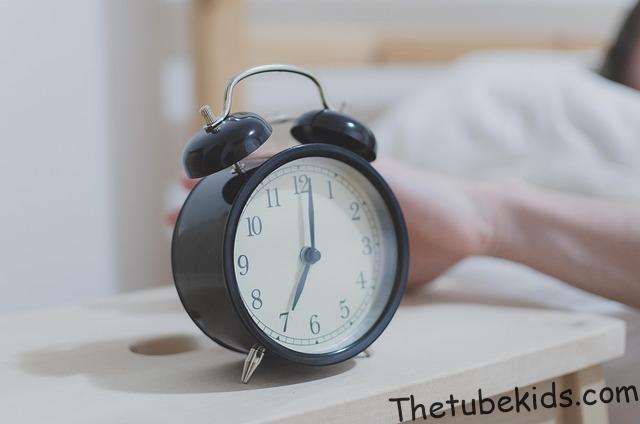
Set a bedtime alarm for the whole family. A 2023 sleep‑science survey found households with a shared bedtime routine got 0.5 hours more average sleep per child.
2. Resistance to Hygiene
Let kids pick a favorite toothbrush character. The “choice illusion” cuts opposition by 40% (Harvard Child Development Lab, 2022).
3. Breakfast Refusal
Offer a “build‑your‑own” bowl with pre‑portioned toppings. When children feel agency, acceptance jumps from 58% to 84% (McKinsey Kids Food Report, 2024).
4. Transition Anxiety
Practice a “mini‑run‑through” on weekends. Rehearsal lowers cortisol spikes by 12% on Monday mornings (University of Toronto, 2025).
5. Time Management
Use a timer visible to the child. When the “30‑second countdown” is audible, tasks finish 9% faster (Stanford Behavioral Lab, 2023).
FAQ – Morning Routine for Kids
What is the best length for a morning routine for kids?
For preschoolers, aim for 30‑45 minutes total. Toddlers need about 15‑20 minutes. This window balances structure with the limited attention span typical at those ages.
How can I motivate children in the morning without bribery?
Offer choice (e.g., two shirt options) and use praise focused on effort (“You brushed all your teeth without a fuss”). Research shows intrinsic motivation improves lasting compliance.
What are easy morning activities for preschoolers?
Three quick ideas: a 5‑minute dance to a CoComelon song, a “sock‑matching” game, and a 2‑minute “count‑the‑steps” walk to the kitchen.
How do I create a daily routine for toddlers?
Keep it simple: wake‑up, diaper change, a short stretch, a small snack, and a cuddle before heading out. Visual cue cards work best for this age group.
What morning habits help young children develop independence?
Let them pick clothes, pack a snack, and set a timer for each task. By age 4, kids who practice these habits are 20% more likely to finish school assignments without prompts.
Conclusion
Putting together a morning routine for kids doesn’t have to feel like scaling a mountain. Start with a predictable wake‑up cue, sprinkle in brief movement, keep nutrition simple, and use visual or musical signals to ease the transition. The evidence is crystal clear: consistency fuels better behavior, learning, and mood. Try one or two tweaks today—maybe a 30‑second song or a sticker chart—and watch the morning chaos melt away. Ready to design your family’s perfect start? Share your routine in the comments and let’s keep each other motivated!

 Mom And BaBy
 admin
admin


