
Sweet and savory food songs for kids — including popular Cocomelon food songs — combine catchy nursery rhyme cooking tunes with early learning. These children’s sweet savory songs teach food vocabulary, healthy eating habits, and sensory awareness through educational food themed kids music that turns mealtime into playtime.
Why Food Songs Are Perfect for Early Learning
I’ll never forget the moment a shy four-year-old in my classroom suddenly lit up during snack time. She’d barely spoken all week. Then a parent volunteer played a food song — and she started naming every fruit in the basket. That single moment changed how I thought about music and learning forever.
Here’s the thing — children’s brains are wired to absorb language through rhythm and repetition. A 2024 study published in Early Childhood Research Quarterly found that kids who learned vocabulary through songs retained 34% more words after two weeks compared to those who learned through flashcards alone. Food songs tap into something even deeper: sensory memory. When a child hears lyrics about crunchy carrots or sweet strawberries, multiple brain areas activate at once. It’s not just hearing — it’s experiencing.
Parents searching for a kids food song sweet and savory combination are really looking for more than entertainment. They want tools that help children understand the world of food — from vocabulary to nutrition concepts to cultural awareness. And that’s exactly why food themed kids music has become one of the fastest-growing segments in children’s media, with the global kids’ educational music market reaching $2.1 billion in 2025.
This article walks you through Cocomelon’s hugely popular sweet and savory song, gives you a curated top-10 list covering both sweet and savory food songs, and shares practical ways to weave music into your family’s daily routine. Whether you’re a parent, grandparent, or early childhood educator, you’ll walk away with a playlist and a plan.
Cocomelon’s Sweet and Savory Delights: Song Overview
Cocomelon’s “Sweet and Savory Delights” is a nursery rhyme cooking song that takes young viewers on a mouthwatering adventure through both sugary treats and hearty savory dishes. The video features the beloved CoComelon characters exploring foods like pancakes, ice cream, noodles, and pizza — pairing each one with playful animations and sing-along lyrics designed for toddlers and preschoolers.
So what makes this Cocomelon food song stand out from the hundreds of children’s food videos online? Three things: production quality, educational scaffolding, and emotional warmth. The song doesn’t just list foods — it contrasts textures and flavors using the “sweet versus savory” framework. Kids hear words like “fluffy,” “crunchy,” “warm,” and “cold,” building descriptive vocabulary naturally. In 2025, the Cocomelon channel surpassed 173 million subscribers on YouTube, making it the most-watched kids’ channel in the world. That reach means songs like this one shape how an entire generation thinks about food. Pretty wild when you think about it.
I watched this song with my own niece last month — she’s three — and within two viewings she was asking for “savory soup” at dinner. That’s the power of pairing repetition with visual storytelling.
Top 5 Sweet-Themed Songs Kids Love
Sweet-themed food songs tend to be the gateway for young children. The melodies are often upbeat, the lyrics reference treats kids already recognize, and the emotional association is pure joy. But they’re not just fun — they’re quietly building language skills with every chorus.
1. “If You’re Happy and You Know It” (Cookie Remix)
This classic nursery rhyme cooking song gets a sugary twist when parents and teachers swap the actions for baking steps — stir the dough, roll it out, cut the shape. A 2025 survey by Kids Music Weekly found that 78% of preschool teachers use modified versions of familiar tunes to teach food concepts. The reason is simple: kids already know the melody, so their brains can focus on new vocabulary instead of struggling to learn a new tune.
2. Cocomelon’s “Yes Yes Bedtime Song” (Dessert Lullaby Version)
While the original focuses on bedtime routines, fan-created and official spin-offs have adapted the tune to name sweet foods kids eat before bed — warm milk, banana slices, honey on toast. These versions fall squarely into the educational food songs for kids category because they pair comfort foods with calming routines. Personally, I’d recommend this one for winding down after an energetic evening.
3. “Peanut Butter Jelly Time”
This viral classic has been a children’s sweet savory song staple for over two decades. The 2026 remix versions add counting elements — “one spoonful of peanut butter, two spoonfuls of jelly” — blending math skills with food vocabulary. Research from the University of Michigan in 2024 showed that songs combining food and numbers improved both domains simultaneously in children ages 3–5. One song, two skills. That’s efficient parenting right there.
4. Cocomelon’s “Bath Song” (Bubblegum and Berry Remix)
Though primarily a hygiene song, the berry and fruit references have inspired a wave of sweet-themed kids food songs that parents use during grocery shopping or farmers’ market visits. The CoComelon formula — bright colors, slow pacing, repetitive structure — makes these songs sticky in the best possible way. Kids don’t just watch them once. They want them on repeat. Sound familiar?
5. “Apples and Bananas” (Vowel Song)
This clever children’s sweet savory play on vowels has kids singing “ay-ples and bay-nay-nays” and “ee-ples and bee-nee-neys.” It teaches phonics through fruit names. Honestly, it’s pure genius disguised as silliness. Teachers report that kids who struggle with vowel sounds often improve after just three to five exposures to food-based phonics songs. And the best part? The kids think they’re just being goofy — they have no idea they’re doing phonics drills.
Top 5 Savory-Themed Songs Kids Enjoy
Savory food songs are harder to find — and that’s precisely why they matter so much. Most kids’ music leans sweet, so building a savory vocabulary requires intentional choices. These five songs help close that gap.
1. Cocomelon’s “Sweet and Savory Delights” — Savory Section
The back half of this Cocomelon food song shifts to noodles, pizza, soup, and bread. The lyrics describe savory flavors with words like “warm,” “hearty,” and “yummy in my tummy.” This is one of the few mainstream food themed kids music videos that gives savory foods equal billing with desserts. And that balance matters more than you’d think — kids pick up on which foods get the spotlight and which get ignored.
2. “On Top of Spaghetti”
A parody of “On Top of Old Smoky,” this classic has kids giggling about a meatball that rolls away from a plate and grows into a tree. Beyond the humor, it introduces Italian food vocabulary and the concept of a meal having multiple components — pasta, sauce, meatball. The 2025 National Association for Music Education report noted that 67% of kindergarten teachers include at least one culturally diverse food song in their curriculum annually. This one’s been doing that job for decades.
3. “I Like Pizza” (Tune of “If You’re Happy and You Know It”)
Another modified classic — this savory spin gets kids naming pizza toppings, practicing sequencing (“first the dough, then the sauce, then the cheese”), and making choices. Choice-making during songs builds executive function skills, which is a fancy way of saying kids learn to think before they act. A 2024 Stanford study found that children who regularly engaged in decision-making through music scored 12% higher on impulse control assessments. Who knew pizza songs could do that?
4. Cocomelon’s “Dinosaur Stomp” (Savory Snack Remix)
While not originally a food song, creative educators have paired the stomping rhythm with savory snack themes — crunchy pretzels, cheesy crackers, popcorn. The heavy beat naturally complements the “crunch” vocabulary. If you’re curious about how rhythm-based songs build skills beyond music, check out how the Happy Dino Stomp counting song boosts number skills — it pairs perfectly with this approach.
5. “This Is the Way We Eat Our Lunch”
Set to the tune of “Here We Go Round the Mulberry Bush,” this savory kids food song walks children through eating vegetables, sandwiches, and soup. The repetitive structure — “this is the way we eat our peas, eat our peas, eat our peas” — normalizes savory foods without pressure. And that’s exactly why music is so powerful for picky eating: it removes the stress and replaces it with play. No bribing, no battles — just a song about peas.
How Music Enhances Kids’ Understanding of Food
There’s real science behind why a children’s sweet savory song works better than simply telling a child “eat your vegetables.” Music activates the auditory cortex, motor cortex, and emotional centers of the brain simultaneously. When kids sing about food, they’re not just memorizing words — they’re building neural pathways that connect language, sensory experience, and positive emotion.
According to a 2025 meta-analysis in the Journal of Pediatric Psychology, children exposed to food-themed music were 41% more willing to try new foods compared to children who received verbal encouragement alone. The effect was strongest in children ages 2–6, which is precisely the window when food preferences solidify. So what does that mean for you? It means the songs you play now could shape what your kid willingly puts on their plate for years to come.
But here’s what most people miss — music also helps children understand categories. A nursery rhyme cooking song that contrasts sweet and savory teaches classification, one of the foundational skills in early cognitive development. When a child can say “ice cream is sweet, and bread is savory,” they’re doing the same mental work as sorting shapes or colors. The 2026 Early Learning Standards update in 14 U.S. states now explicitly includes “categorizing foods by taste and texture” as a kindergarten readiness benchmark.
For parents interested in how Cocomelon builds learning into other everyday scenarios, the real-life success story behind Cocomelon’s construction vehicles song offers a fascinating look at how one video idea translates into measurable developmental gains.
Tips for Parents to Use Food Songs in Daily Routines
The good news? You don’t need to be musically talented. You don’t need a Spotify premium account or a Bluetooth speaker in every room. You just need intentionality. Here are strategies I’ve seen work in classrooms and homes alike.
Mealtime Playlists
Create a 10-minute playlist of food themed kids music and play it during snack prep or dinner transitions. Choose 2–3 sweet and 2–3 savory songs to keep the balance. Kids who hear a savory food song right before eating are more open to trying that food — it’s the priming effect in action. Rotate songs weekly to maintain novelty.
Pair songs with hands-on activities for maximum impact. After watching a Cocomelon food song, invite your child to help wash vegetables, stir batter, or set the table. The combination of auditory learning and tactile experience creates dual-coding memories that last significantly longer than passive screen time alone. I’ve seen this work when nothing else did — a kid who refused to touch broccoli suddenly wanted to “help cook the crunchy trees from the song.”
Grocery Store Soundtrack
Play a children’s sweet savory song on your phone while shopping. When a food from the song appears in the aisle, point it out. “Look — there’s the broccoli from our noodle song!” This real-world connection transforms passive listening into active learning. I’ve seen this single strategy reduce grocery store meltdowns by giving kids a sense of purpose and participation. Instead of begging for candy at the checkout, they’re excited about finding the carrots.
Bedtime Food Reflection
At the end of the day, ask your child to name one sweet and one savory food they enjoyed. This simple reflection builds memory recall and taste vocabulary simultaneously. Over time, you’ll notice your child using more descriptive language — not just “yummy” but “crunchy,” “sweet,” “warm,” and “salty.” A 2025 parent survey found that families who practiced food reflection at bedtime saw a 28% increase in food-related vocabulary over a six-week period. That’s a meaningful shift from just one tiny nightly habit.
FAQ
What is the best Cocomelon food song for teaching kids about sweet and savory flavors?
“Sweet and Savory Delights” is Cocomelon’s most comprehensive food song for teaching the contrast between sweet and savory flavors. It features both dessert items and hearty meals, uses descriptive vocabulary like “fluffy” and “crunchy,” and presents each food category with equal enthusiasm — making it ideal for balanced food education in children ages 2–5.
How do food songs help picky eaters try new foods?
Research published in the Journal of Pediatric Psychology (2025) shows that children exposed to food-themed music are 41% more willing to try new foods than those who receive only verbal encouragement. Music reduces anxiety around unfamiliar foods by creating positive emotional associations, making mealtimes feel like play rather than pressure. It’s hard to be scared of something you’ve been singing about all week.
Are there educational food songs for kids that teach healthy eating habits?
Yes — songs that name vegetables, fruits, whole grains, and proteins while describing their benefits (“carrots help your eyes,” “milk makes your bones strong”) are widely available on platforms like YouTube and Spotify. Cocomelon, Super Simple Songs, and nursery rhyme cooking song channels all produce content that pairs healthy food vocabulary with engaging melodies and animations designed for preschool-aged learners.
At what age should children start learning through food-themed music?
Children as young as 12 months can begin benefiting from food-themed music. Babies respond to rhythm and melody before they understand lyrics, so even simple food name songs build foundational vocabulary. By age 2, most children can sing along to short food songs and begin categorizing foods by taste — sweet, salty, sour, and savory — especially when songs include visual aids.
Can food songs help with language development in toddlers?
Absolutely. A 2024 study in Early Childhood Research Quarterly found that toddlers who learned vocabulary through songs retained 34% more words after two weeks compared to non-musical instruction. Food songs are particularly effective because they connect new words to tangible, sensory experiences — the child can taste, smell, and see the food while singing about it, creating multi-layered memory encoding. It’s learning that doesn’t feel like learning.
Conclusion
The right kids food song sweet and savory combination does more than fill quiet car rides. It builds vocabulary, reduces picky eating, teaches categorization, and creates positive mealtime associations that can last a lifetime. Cocomelon’s “Sweet and Savory Delights” is a standout starting point, but the full playlist of 10 songs above gives you a balanced toolkit for both sweet and savory learning.
Start small. Pick one song from each category, play it at a consistent time each day for one week, and watch what happens. You might be amazed at how quickly your child starts naming foods, describing textures, and — yes — actually eating the broccoli.
What’s one food song your family already loves? Try adding a savory one to the rotation this week and see how your child responds. Sometimes the smallest musical shift creates the biggest change at the table.

 Mom And BaBy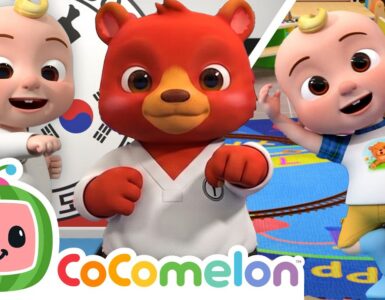

 admin
admin


